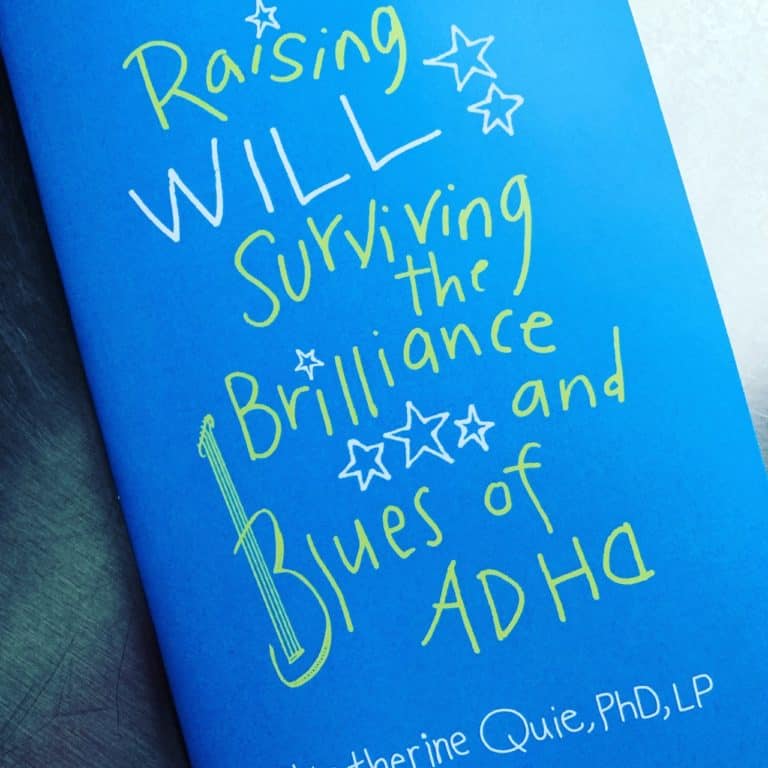
ADHD Parenting Advice to end challenging behaviors

Parenting ADHD Kids is hard, no doubt about it. Our kids behaviors can be baffling and challenging. We want to help them and we often get ourselves riled up in the process!
It can be hard to stay calm and address the root issue of those challenging behaviors.
Stopping bad behaviors is not about controlling your kids. It’s about helping them be their best, most confident self.
This ADHD Parenting advice is hard won – I have been a parent to two ADHD boys for 19 years. Not everybody’s story is the same, but this advice is pretty universal. It’s what I wish I had know a long time ago.
These 7 tips can help you end (or at least lessen greatly!) challenging behaviors.

1. help your child pursue their Unique interests
Kids with ADHD often have trouble with lots of things – school work, friendships, remembering to do their chores….
They get reprimanded a lot and often end up being the scapegoat for everyone’s poor choices. This can lead to a lack of confidence and a tendency to want to get back at the world – and can lead to a lot of unsavory behaviors.
Feeling confident in at least one area can really help. Many kids do not find their area of interest at school. As their parent you need to help them pursue their unique hobbies and let them grow their skills.
Do whatever you can to support your kids interests – sailng, coding, space, takin care of animals.
If you are not sure what they like, ask them. Help them find their “thing”.
2. Become a more conscious parent
It takes two to tango.
Very often we can be triggered by our kids behavior and escalate the situation even more so. It is in everyone’s best interest if we parents, work at being able to be a calm presence for our kids, no matter how angry they become.
Easier said than done, but this is the work of parenting. There are a few ways we can work at being more peaceful parents:
- Read a good book about how to manage our own behaviors, like Out of Control or Brain Body Parenting.
- Enlist the help of a therapist for yourself to work on chlidhood issues that may be cropping up.
- Keep track of your triggers in a journal. Seeing them written down may help you find patterns and help you begin to release them.
Do not take this step lightly….it can take a lot of time to dig deeper and understand your own part in your child’s behaviors.
3. Realize that Rewards, nor punishments Work
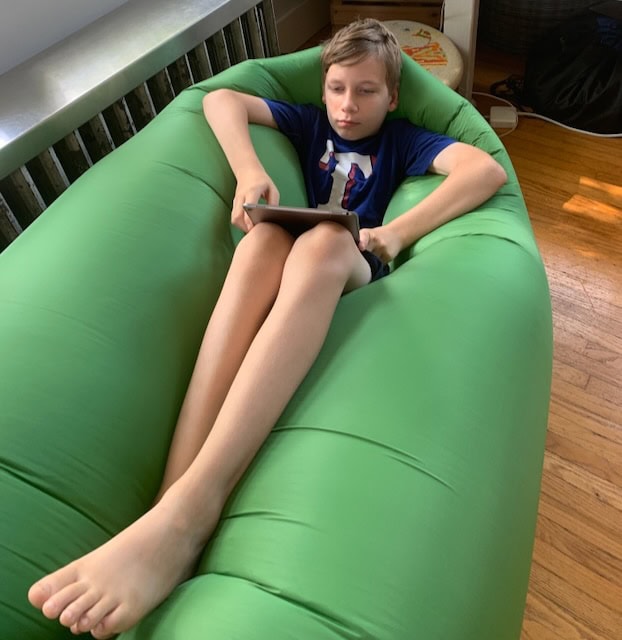
When my son was in 3rd grade, our therapist had us knee deep in sticker charts and noodle jars. We were tasked with trying to “catch him being good” and reward the behavior.
Punishments were to be doled out when he didn’t do what he was supposed to.
I was exhausted. I couldn’t keep up with the system and it didn’t seem to help my son past a few days, when the novelty wore off.
Neither rewards, nor punishments do anything to get to the root cause of behaviors. They do not allow for conversations and time to gain a deep understanding for your child.
As parents, often it’s our default pattern to resort to punishments, “to teach them a lesson” and “show them who is boss”. It’s most likely, how we were raised.
Punishments and rewards are random and have nothing to do with your child’s behaviors. For instance, how does taking away their phone help with not remembering to take their gym uniform in to school? See how random punishments can be?
The best book to read to help with getting to the bottom of behaviors is Ross Greene’s The Explosive Child.
***This post contains affiliate links. See our full policy HERE.***
4. Let Natural Consequences do their job
ADHD parents can be a bit helicoptery — Ask me how I know. ; P
We try to protect our kids from getting hurt or feeling bad or receiving a bad grade, etc.
But, the sooner you let natural consequences happen, the better it is, for your kid.
What’s a natural consequence?
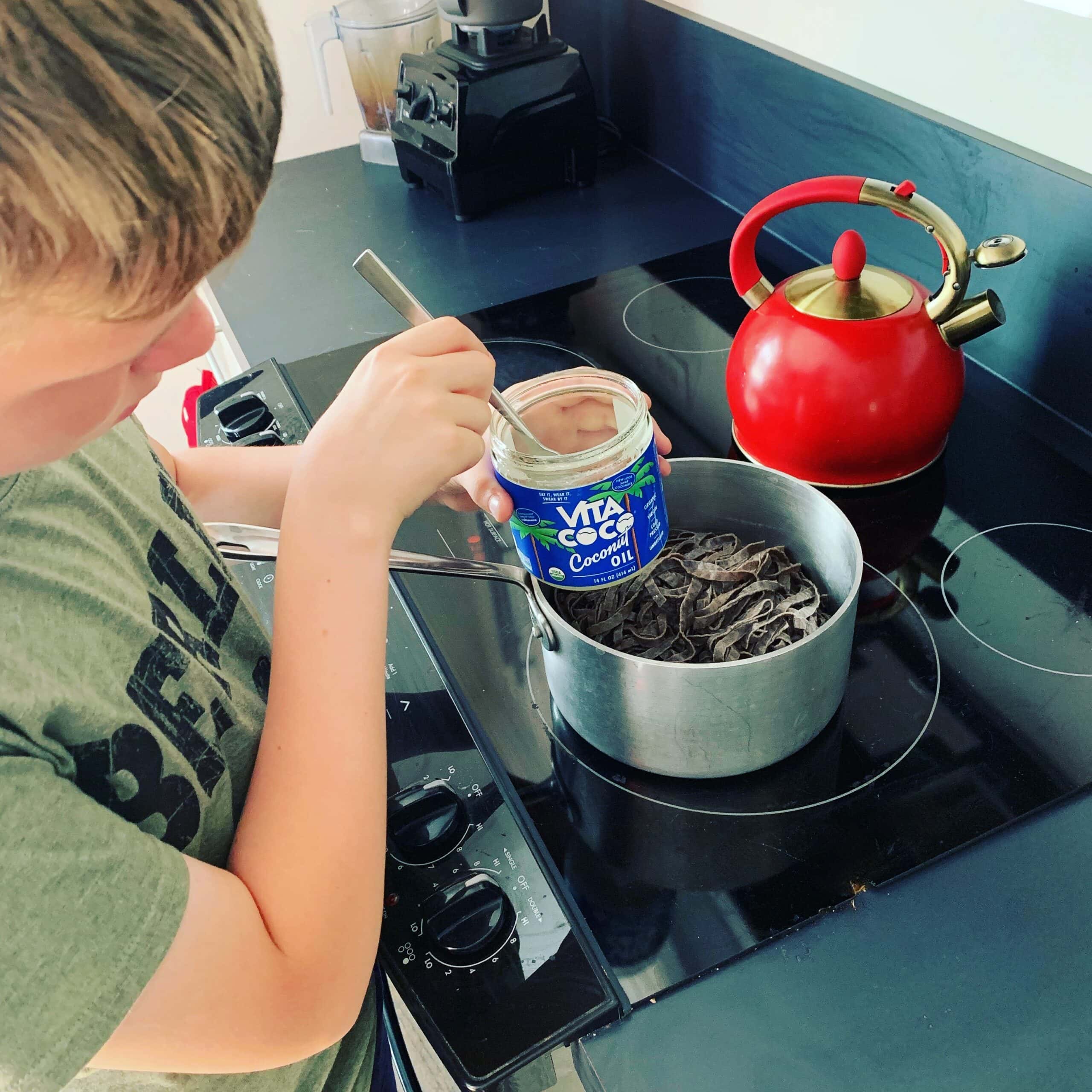
Natural consequences are things that happen without you interfering – at all. Kids are really capable of doing a lot of things on their own:
- Kids forget their lunch? Don’t run it to school.
- Add salt instead of sugar to the recipe? They’ll have to start all over again.
- Drop their glass? They can clean it up.
- Homework left in a locker? Let it sit and have you kiddo talk to the teacher about it.
- Gym uniform isn’t washed? They’ll face whatever happens – lost points, extra laps, etc.
- Your teen spends all their birthday money? They won’t have money for gas or going out with friends.
Once you start looking around for them, they will appear everywhere. Natural consequences can become steeper as kids get older, so the sooner you let them work their magic, the sooner kids will gain the skills necessary to keep them from (mostly) happening.

5. Focus on Getting enough protein
Following a diet high in protein can be very helpful in reducing the symptoms of ADHD, advises, Dr. Vince Monastra.
He reminds us that when kids eat foods containing protein their bodies can make neurotransmitters like dopamine, serotonin and GABA. These are important because they help our kids concentrate, control their moods, and help them maintain a calm, focused state.
Protein helps keep blood sugar stable and it provides important building blocks for our brains.
According to Dr. Monastra, out of the 500 kids he evaluates for ADHD every year, only about 5 percent get the recommended amount of protein.
Wow! But How much protein do our ADHD Kiddos need?
According to the National Academies of Sciences, Engineering and Medicine, boys between the ages of 14 and 18 need 56 grams of protein, with girls the same age needing only 46 grams.
Kids between 4 and 9 need 19 grams, and those between 9 and 13, need 34 grams.
it’s not as hard as you think, just include some at each meal and your kiddo should be fine.

6. Take care of yourself
You can not be your best parenting self when you are running on empty. We hear it all the time, “Put on your oxygen mask, first.”
Nobody can argue with this suggestion, it’s just finding the time to do something that is the problem.
We are not talking manicures and pedicures. Here’s a few suggestions for a bit of self care you may not have thought of.
Easy-ish self-care suggestions:
- Popping in a movie for the kids while you clean, get stuff done, or just relax.
- Getting a cleaning service – even once every other month – can be so helpful.
- Checking out some fun books from the library and carving out 15 minutes a day to read.
- Taking the kids to their favorite park and sitting on the bench with a book.
This can take some effort and a little finesse on your part. Ask for others to help.
7. Seek outside help Early and Often
If you need help, get it. Raising a child surely takes some extra help and ADHD kids, even more so!
Even before you think you need it, start inquiring about therapists, babysitters, tutors, neuropsychologists, etc.
As parents, we are not meant to do it all, and the more people you can get in your corner, the better. But, remember, most likely, no one is going to come knocking at your door.
Once you see how nice it is to get some help, you will get really good at asking for help.